
Borer treatment
Anobium punctatum · Ambeodontus tristis
Small holes in floorboards, weatherboards or furniture, with fine powder below them, mean borer. Borer treatment is priced after a survey.
Fig. 11 / Borer treatment
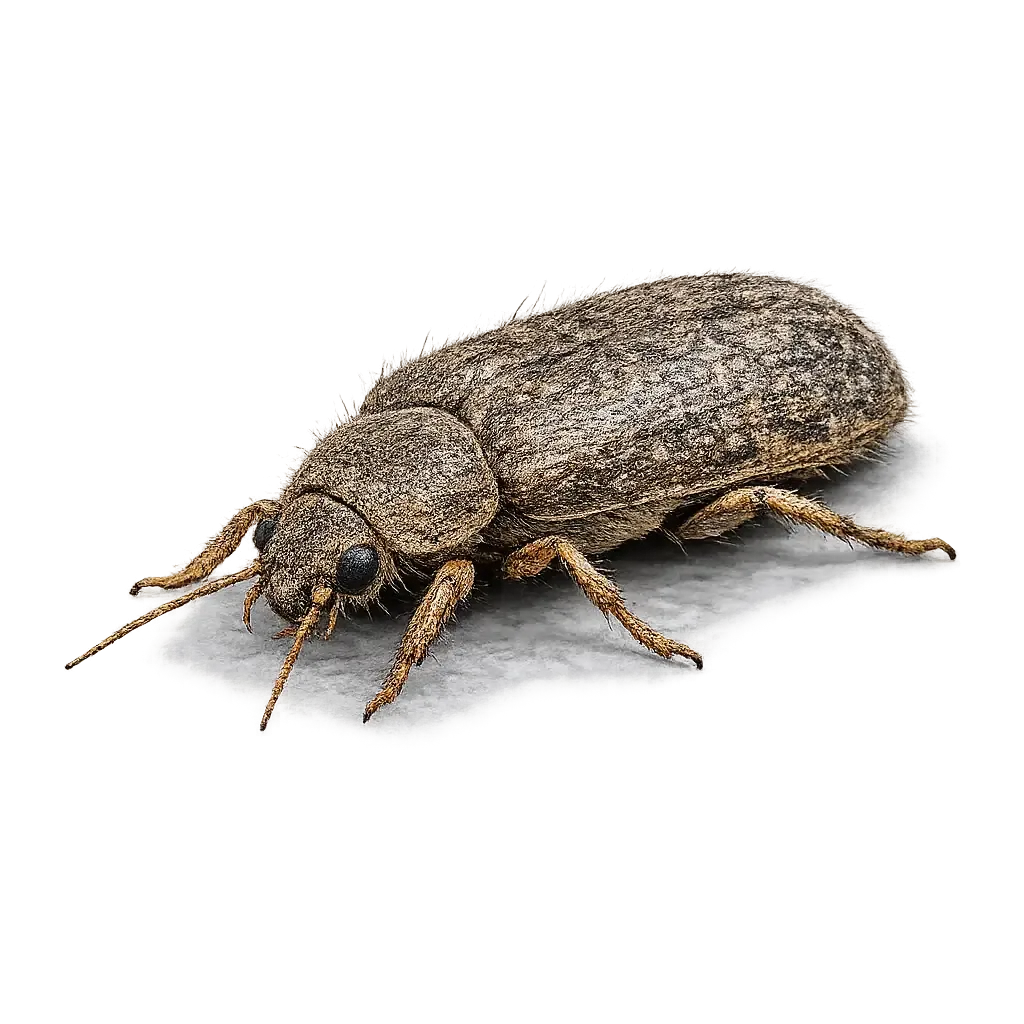 House borerAnobium punctatumRound holes, 1 to 2 mmTwo-toothed longhornAmbeodontus tristisOval holes, rimu floors
The borer in New Zealand homes
The common house borer, Anobium punctatum, mainly attacks sapwood, including radiata pine and rimu, as well as some hardwoods. Its larvae spend three to four years tunnelling inside the timber, and adults emerge from about November to January through round holes 1 to 2 mm across.
The two-toothed longhorn borer, Ambeodontus tristis, is a native beetle that attacks heartwood as well as sapwood, including rimu floors. Its larvae can spend anywhere from two to eleven years inside the wood, and adults emerge in autumn and early winter through oval holes 3 to 7 mm long.
Older homes with untreated timber are the most at risk.
Signs of borer
- Small round or oval holes in floorboards, weatherboards, joists or furniture
- Fine powder below the holes
- Small brown beetles on window sills
- Timber that crumbles or feels soft when you press it
How we treat it
The survey costs $161 incl. GST.
Borer treatment is priced after this survey.
Keeping borer away
Borer prefer timber with some moisture in it, so a dry, well-ventilated subfloor helps.
Related
Other pests we treat
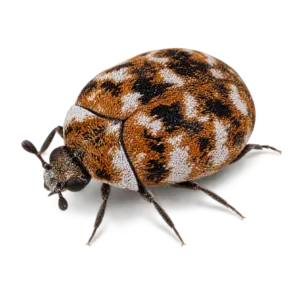 Anthrenus verbasci
Fabric pest treatment
Carpet beetle and clothes moth larvae in wool, silk and carpet.
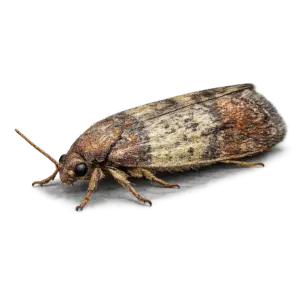 Plodia interpunctella
Pantry pest treatment
Infestations in flour, cereal, spices and dried fruit.
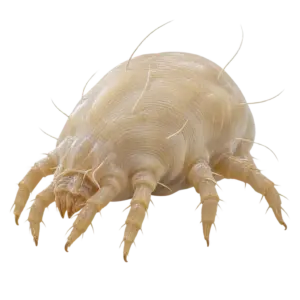 Dermatophagoides pteronyssinus
Mite treatment
Mattress treatment where skin flakes, and mites, build up.