
Service area
Pest control in Carterton
We treat homes, rentals, farms and businesses in Carterton and out to Clareville, Gladstone and Dalefield, all on our Wairarapa number.
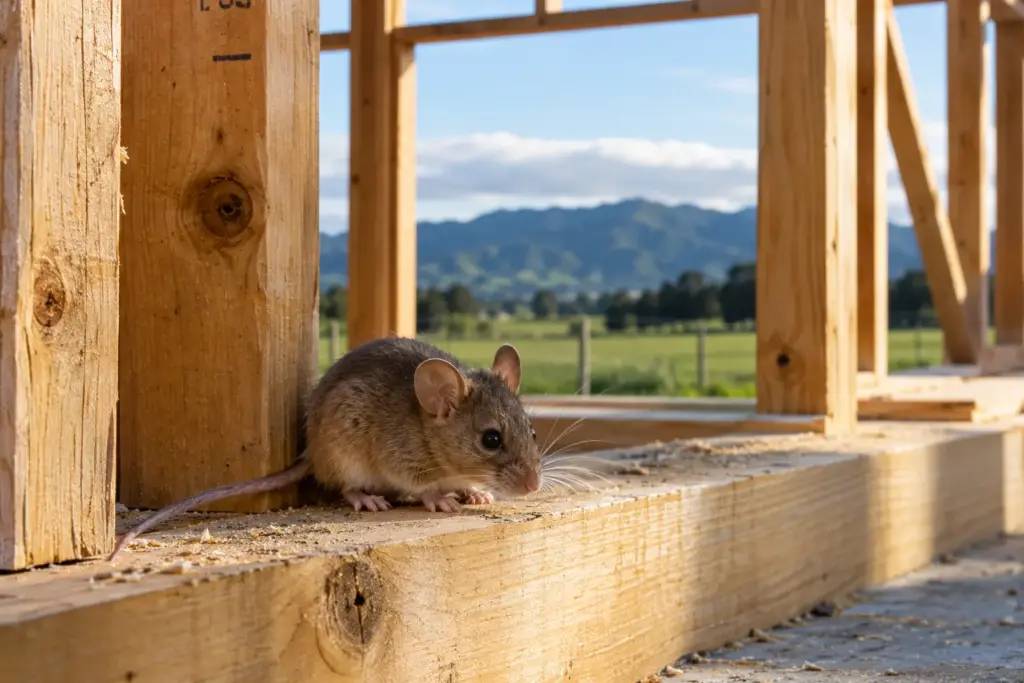
New subdivisions and rodents
Carterton has grown through new subdivisions such as Hartley Avenue and Carrington Drive.
The same paper reported in January 2020 that rabbit numbers were rising fastest on new Masterton and Carterton lifestyle blocks, and a Greater Wellington biodiversity officer described “a rabbit explosion”.
Rats or mice in the ceiling or subfloor are baited where they nest, and we give you proofing advice where it is feasible. The treatment carries a 3-month callback period.
Predator Free Carterton
Carterton has roughly 2,500 urban households, and Predator Free Carterton is building a community of backyard trappers among them. It says successful trapping in one backyard in five will bring the rat population below 5 percent. Join through Show email addresssee pestproof.co.nz.
The Wairarapa predator-free movement targets rats, possums, stoats, ferrets and weasels. Before a public meeting in Carterton in 2023, WaiP2K chair Todd Jenkinson told the Wairarapa Times-Age that possums were becoming more of an issue in urban areas.
Stoats in the Tararua foothills
Mount Holdsworth, on the eastern side of the Tararua Range, is part of a DOC predator control area in Tararua Forest Park. DOC set ten monitoring cameras there over the 2020 to 2021 summer, and all ten captured stoats. DOC says stoat numbers tend to rise when rodent numbers are healthy, so the footage pointed to rats as well.
We trap feral cats on farms and lifestyle blocks, and caught cats are managed humanely.
Prices shown exclude rural charges, which may apply to addresses outside the urban areas we cover. Please ask us.
Council rules for animals and bees
The Wairarapa Consolidated Bylaw, in force across the Masterton, Carterton and South Wairarapa districts since 1 November 2025, says animals must be kept so they don’t cause a nuisance, including by attracting flies, insects or vermin. Roosters aren’t allowed in urban areas.
The bylaw also sets how many beehives a section can have and how close they can be to a neighbour, so check it with the council before you set one up.
Carterton District Council’s environmental health officer advises on vermin and insect pests: call 06 379 4030.
Including
- Clareville
- Gladstone
- Dalefield
- Waingawa
- Parkvale
Other areas: Wellington City Lower Hutt Upper Hutt Porirua Kāpiti Coast Horowhenua Manawatū Wairarapa Whanganui Masterton Featherston Martinborough Greytown
Our pest list
What we treat in Carterton
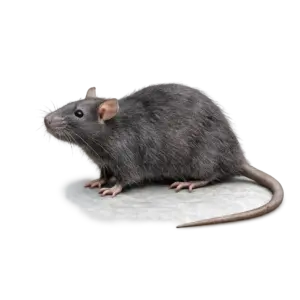 Rattus rattus · Rattus norvegicus
Rat control
Ship rats and Norway ratsShip rats in the roof, Norway rats in the subfloor and drains.
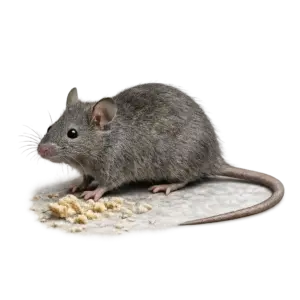 Mus musculus
Mouse control
House miceHouse mice in kitchens, walls and ceilings, baited where they feed.
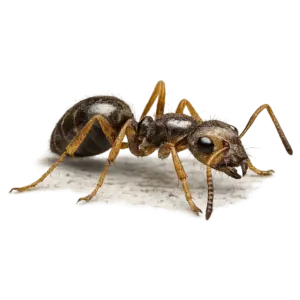 Linepithema humile · Technomyrmex jocosus
Ant treatment
Argentine and white-footed antsExterior treatment with a callback period, then an optional quarterly plan.
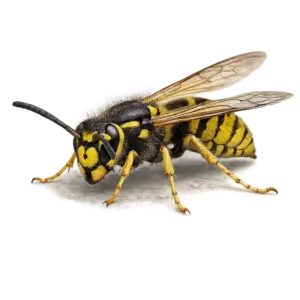 Vespula germanica · Vespula vulgaris
Wasp nest treatment
German and common waspsKnown, accessible active nests in walls, banks and hedges.
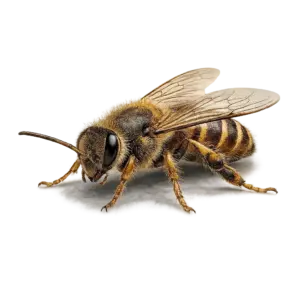 Apis mellifera
Bee removal and relocation
Honeybees and bumblebeesHoneybee swarms relocated. Bumblebee nests moved where we can.
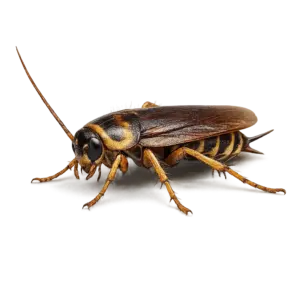 Blattella germanica · Drymaplaneta semivitta
Cockroach treatment
German, Gisborne and nativeGerman roaches in kitchens and appliances, others in from the garden.
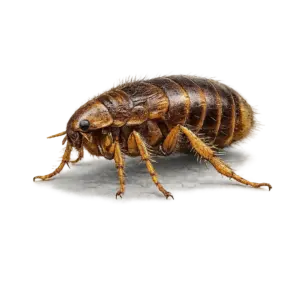 Ctenocephalides felis
Flea treatment
Cat and dog fleasFlea treatment for homes, priced by the number of bedrooms.
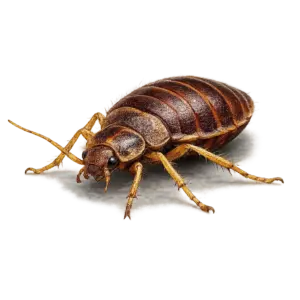 Cimex lectularius
Bed bug treatment
Common bed bugsMattress seams, bed frames and furniture, priced per room.
Prices are subject to the conditions on our price list.